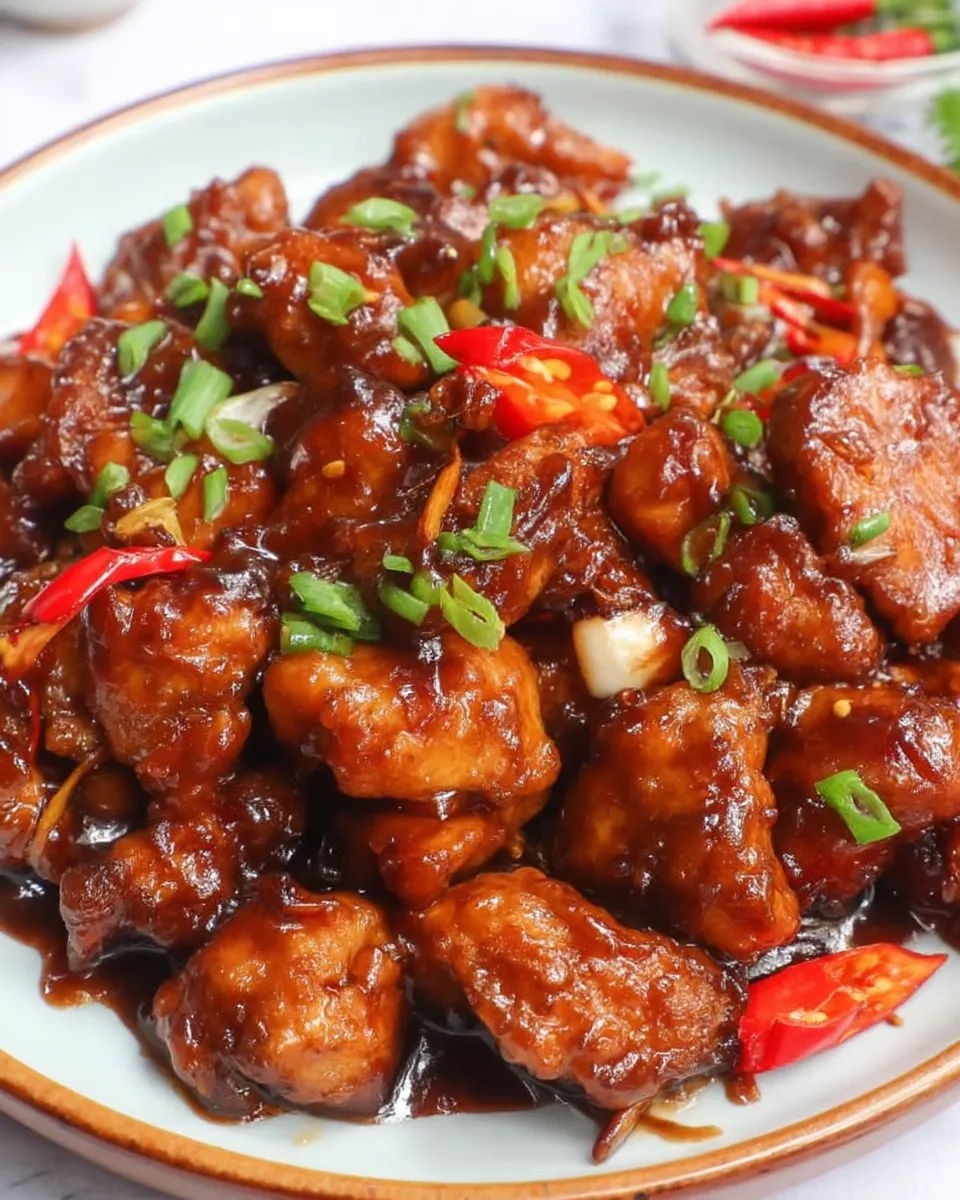
The Irresistible Allure of Mongolian Chicken: More Than Just a Meal
Imagine transforming an ordinary weeknight into an extraordinary culinary adventure, all from the comfort of your own kitchen. This isn't a far-fetched fantasy; it's the everyday reality when you master the art of cooking
Better Than Takeout Mongolian Chicken: Under 30 Minutes. From the moment the chicken sizzles in the pan, a heady aroma of garlic and ginger fills the air, promising a dish that rivals, if not surpasses, your favorite restaurant takeout.
What makes authentic **mongolian chicken** so captivating? It’s a symphony of flavors – a delightful dance between sweet and savory notes, underpinned by a deep umami richness that leaves your palate thoroughly satisfied. Unlike its beef counterpart, **mongolian chicken** offers a lighter, yet equally indulgent experience, often becoming even more tender and juicy, especially when prepared with succulent chicken thighs. This isn't just a meal; it's comfort food perfected, boasting crispy seared chicken enveloped in a glossy, sticky sauce, traditionally served over fluffy rice. And the best part? This explosion of flavor can be on your table in under 30 minutes, making it the ultimate solution for busy evenings when fast food fatigue starts to set in. Beyond its incredible speed and taste, its versatility is unmatched, easily adaptable with various proteins and a vibrant array of vegetables to suit any preference or dietary need.
Crafting Culinary Magic: Key Ingredients and Their Roles
The secret to an unforgettable **mongolian chicken** lies in understanding the purpose behind each ingredient. While the overall recipe is straightforward, the synergy of these components creates that signature sweet, savory, and undeniably addictive profile.
Here's a breakdown of the essential players and what they bring to your dish:
* **Chicken (600g):** While breasts can be used, we highly recommend **chicken thighs** for their inherent juiciness and richer flavor. If using breasts, slice them thin against the grain to ensure tenderness.
* **Brown Sugar (3½ tbsp):** This isn't just for sweetness; brown sugar is crucial for developing that beautiful, sticky, caramelized glaze that coats the chicken. Its molasses content adds a deeper, more complex sweetness compared to white sugar.
* **Soy Sauce (Light: 2 tsp; Dark: 1½ tbsp):** A cornerstone of Asian cuisine, soy sauce provides the essential saltiness and a significant depth of umami. Light soy sauce offers salt and a lighter color, while dark soy sauce contributes a darker hue and a slightly richer, sweeter flavor profile. For a **gluten-free mongolian chicken**, simply substitute traditional soy sauce with tamari.
* **Chicken Stock (¾ cup):** This liquid gold enhances moisture and infuses the sauce with a foundational savory flavor. Opt for low-sodium chicken stock to better control the overall saltiness of your dish.
* **Potato Starch (1½ tbsp):** The unsung hero for achieving that perfect crispy coating on your chicken pieces. When mixed with the chicken before frying, it creates a delicate, golden crust. It also plays a vital role in thickening the sauce, giving it that desirable glossy, clingy texture. Cornstarch is an excellent substitute if potato starch isn't available.
* **Neutral Oil (for frying):** Essential for searing the chicken to golden perfection. Vegetable, canola, or peanut oil are all excellent choices due to their high smoke points and neutral flavors.
* **Garlic & Ginger:** These aromatic powerhouses are non-negotiable. Freshly minced garlic provides a pungent, savory base, while grated ginger delivers a fresh, spicy, and warming kick, crucial for the authentic taste of **mongolian chicken**.
* **Scallions (White and Green parts):** The white parts are often sautéed with garlic and ginger to build an aromatic foundation, while the green parts are typically reserved as a fresh, vibrant garnish, adding a touch of color and a mild oniony bite that beautifully contrasts the rich sauce. Sometimes, charring the white parts of scallions or even onions can add a slightly bitter, balancing note, as highlighted in some interpretations of the dish.
Gathering these ingredients beforehand, often called *mise en place*, sets the stage for a smooth and enjoyable cooking experience, promising a mouthwatering **mongolian chicken** that will elevate any dinner.
Mastering the Art of Mongolian Chicken: Step-by-Step Perfection
Creating the ultimate **mongolian chicken** is surprisingly simple once you break down the process. It's about layering flavors and textures to achieve that coveted balance.
The Foundation: Marinating for Flavor
Begin by preparing your chicken. If using thighs, trim any excess fat. Slice chicken breasts thinly against the grain. Combine your chicken pieces with a portion of the soy sauce and perhaps a touch of potato starch. Allow this to marinate for 15-20 minutes. This short marination time is key, ensuring every bite is infused with a deeper savory essence and helps the chicken remain tender during cooking.
The Heart: Crafting the Signature Sauce
While your chicken marinates, whisk together the components of your glorious sauce. In a medium bowl, combine the chicken stock, light and dark soy sauces, and brown sugar. Some recipes might include a dash of chicken powder or a hint of dashi for an extra layer of umami. Set this fragrant liquid gold aside. Separately, prepare a slurry by mixing the remaining potato starch with a few tablespoons of the prepared sauce or cold water. This slurry will be added later to thicken the sauce to that perfect glossy consistency.
The Sizzle: Achieving Crispy Chicken
Heat a generous amount of neutral oil in a large skillet or wok over medium-high heat. Ensure the pan is hot but not smoking. Carefully add the marinated chicken in batches, being careful not to overcrowd the pan. Overcrowding will steam the chicken instead of searing it, preventing that desired crispy exterior. Cook each batch until golden brown and cooked through, typically 3-4 minutes per side. Remove the cooked chicken and set it aside, draining any excess oil if necessary. This step is crucial for achieving the textural contrast that makes **mongolian chicken** so delightful.
The Grand Finale: Uniting Flavors
With the chicken cooked, it’s time to bring everything together. If there's too much oil left in the pan, drain some off, leaving about a tablespoon. Add your minced garlic, grated ginger, and the white parts of your scallions to the hot pan. Sauté for about 30 seconds until fragrant, being careful not to burn the garlic.
Pour in the reserved sauce mixture. Bring it to a gentle simmer, then slowly whisk in the potato starch slurry. Continue to stir as the sauce thickens and transforms into a beautiful, glossy glaze. Once the sauce has reached your desired consistency, return the crispy chicken pieces to the pan, tossing them gently to ensure every piece is thoroughly coated in the luscious sauce. For an incredibly simple, mess-free experience, our article on
One-Pan Mongolian Chicken: Juicier, Easier Than Beef! offers fantastic insights into minimizing cleanup.
Pro Tips for a Flawless Finish
* **Don't Overcrowd:** This cannot be stressed enough for crispy chicken. Cook in batches if needed.
* **Heat Control:** Maintain medium-high heat for searing and a gentle simmer for the sauce.
* **Taste and Adjust:** Always taste your sauce before adding the chicken back. Adjust sweetness, saltiness, or even add a pinch of red pepper flakes for a subtle kick.
* **Serving:** Serve your finished **mongolian chicken** immediately over steamed jasmine rice, brown rice, or even noodles. Garnish generously with the green parts of the scallions for freshness and a pop of color. Some prefer a sprinkle of toasted sesame seeds for an extra nutty layer.
Beyond the Basics: Customizing Your Mongolian Chicken Experience
One of the most appealing aspects of **mongolian chicken** is its incredible adaptability. While the classic chicken version is stellar, don't hesitate to experiment and make this dish truly your own.
Protein Power-Ups:
* **Shrimp:** For a quick-cooking seafood option, swap chicken for medium-sized shrimp. They cook even faster, often in just 1-2 minutes per side.
* **Tofu:** A fantastic vegetarian alternative. Opt for extra-firm tofu, pressed and then cubed, before frying to achieve a satisfyingly crispy exterior. Marinating the tofu cubes can further enhance their flavor.
* **Beef:** While our focus is chicken, it's worth noting that the classic Mongolian dish is often made with beef. If you're looking for that heartier option, thin slices of flank steak or sirloin work wonderfully with this same sauce base. The chicken, however, often offers a juicier and quicker-cooking alternative.
Vegetable Vibrancy:
To transform your **mongolian chicken** into a complete one-bowl meal, integrate your favorite vegetables.
* **Broccoli florets:** Blanch or steam them briefly before adding to the pan at the very end.
* **Bell Peppers:** Sliced red, yellow, or green bell peppers add color and a sweet crunch. Stir-fry them with the garlic and ginger.
* **Snow Peas or Snap Peas:** These delicate greens offer a refreshing texture. Add them during the last minute of cooking to retain their crispness.
* **Mushrooms:** Sliced cremini or shiitake mushrooms add an earthy depth to the sauce.
Flavor Fine-Tuning:
* **Spice It Up:** If you crave a little heat, add a pinch of red pepper flakes (gochugaru or crushed chili flakes) to the sauce mixture or when sautéing the aromatics.
* **Extra Aromatics:** Don't shy away from adding more fresh ginger or garlic if you love their pungent flavors.
* **Umami Boost:** A small amount of white pepper or a dash of sesame oil (added at the very end, just before serving) can further enhance the complexity.
Dietary Considerations:
* **Gluten-Free:** As mentioned, easily achieve a gluten-free version by swapping regular soy sauce for tamari. Ensure your chicken stock is also gluten-free.
* **Lower Sugar:** While brown sugar is key for the glaze, you can experiment with slightly reducing the amount or using a sugar substitute, though it will alter the sauce's consistency and stickiness slightly.
By embracing these variations, your **mongolian chicken** can become a canvas for endless culinary creativity, ensuring it never gets boring and always fits your lifestyle.
Conclusion
From its humble beginnings as a quick weeknight dinner to a dish that consistently outperforms takeout, **mongolian chicken** truly deserves its place in your home cooking repertoire. Its irresistible blend of sweet, savory, and umami flavors, coupled with the satisfying crunch of perfectly cooked chicken and a luscious, glossy sauce, makes it an instant classic. The ease of preparation, requiring less than 30 minutes, and its incredible adaptability – whether you're swapping proteins, adding vibrant vegetables, or catering to dietary needs – solidify its status as a versatile kitchen hero. So, next time you're pondering what to make for dinner, remember the magic of this dish. Dive in, experiment, and let the sweet, savory, and wonderfully versatile **mongolian chicken** delight your taste buds and simplify your busy evenings.